Releasing Sterile Male Mosquitoes
To Protect Public Health
The invasive mosquitoes Aedes aegypti and Aedes albopictus are spreading across California, including Contra Costa County. These mosquitoes aren’t just annoying; they can carry and spread dangerous diseases like dengue, Zika, and chikungunya.
Since their first detection in 2022 within our service area, we have been working hard to track and control their spread.
Invasive Aedes lay their eggs in small, sometimes hidden containers in backyards and patios – areas where mosquito control agencies cannot easily inspect and control. Due to the nature of these mosquitoes, and the public health risks they pose, new methods of control are needed. Many agencies are currently exploring innovative, environmentally friendly methods to help reduce the populations of these mosquitoes which can pose a public health threat to the residents we serve. For more about invasive Aedes mosquitoes, click here.
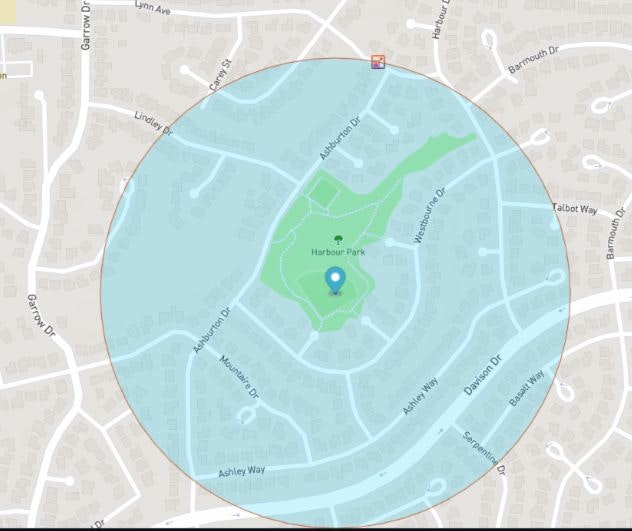
The Contra Costa Mosquito and Vector Control District (District) continues to work to control the invasive Aedes aegypti mosquitoes that can transmit the viruses that cause Zika, dengue fever, yellow fever, and chikungunya. The District has detected this dangerous mosquito in Antioch for three consecutive years. In an effort to control these mosquitoes in Antioch, the District will begin a pilot project to use a form of Innovative Mosquito Reduction (IMR) beginning July 7, 2026.
What Do Antioch Residents Need to Do?
There is nothing Antioch residents need to do related to the IMR activity, as the District will be working in a small area of Antioch, and male mosquitoes do not bite.
It does remain critically important for all Contra Costa County residents to walk around their properties at least once a week and dump out any amount of standing water to prevent mosquito production on their properties.
Innovative Mosquito Reduction: How it Works
One method, which the District will be using, is utilizing Wolbachia-infected male mosquitoes.
This form of IMR involves the release of male Aedes aegypti mosquitoes that have been treated with Wolbachia bacteria. These naturally occurring bacteria do not impact humans or pets, and male mosquitoes cannot bite. Once released, the Wolbachia-treated male Aedes aegypti mosquitoes mate with the female Aedes aegypti mosquitoes in the area, exposing the female mosquitoes to the Wolbachia strain. This exposure causes them to lay eggs that do not hatch, reducing the population of these mosquitoes over time.
Wolbachia: Nature's Own Defense
Wolbachia: a naturally occurring bacterium found in many insects including mosquitoes, beetles, dragonflies, fruit flies, and bees.
How It Works: Male mosquitoes infected with Wolbachia are effectively sterile because when they mate with wild female mosquitoes that do not carry Wolbachia or have a different type of Wolbachia, the resulting eggs do not hatch.
Safe and Targeted: This method only affects Aedes aegypti, leaving other insects unharmed.
Why is the District Using IMR and Releasing Male Mosquitoes?
For the past three years, the District has been working to control Aedes aegypti mosquitoes, an invasive species not native to California, in Antioch. In response, the District has been going door-to-door to check every front and back yard in the areas of concern, but it is difficult to get into every property, and just one mosquito source can impact an entire neighborhood. The District is also using more traditional versions of larval mosquito control, including wide-area larval control (WAL) and adult mosquito control products to prevent these mosquitoes from spreading, with limited success.
The District will release the Wolbachia-treated male mosquitoes in a small area of Antioch weekly from July through October with the goal of reducing the number of wild mosquitoes over time within the target area.
If this project yields satisfactory results, the District may expand the use of IMR in the future. Meanwhile, if residents notice the District's mosquito traps or an increased number of male mosquitoes in their neighborhood, know that they are there to protect you and your family against dangerous invasive mosquitoes and the diseases they carry.